
Nigeria’s crude oil production fell in July after recording five straight months of increases, with a sharp drop from ExxonMobil’s Erha field playing a major role.
The country produced an average of 1.505 million barrels per day (bpd) in July 2026, down from 1.555 million bpd in June.
The fall means Nigeria lost about 50,000 barrels per day in monthly production. Despite the decline, July’s output was still equal to Nigeria’s OPEC production quota of 1.5 million bpd and ranked as the country’s third-highest monthly output so far this year.
The decline comes at a time when Nigeria’s oil production had been showing signs of steady improvement.
Several of the country’s biggest producing fields, including Bonga, Agbami and Anyala, recorded little change from their June production levels.
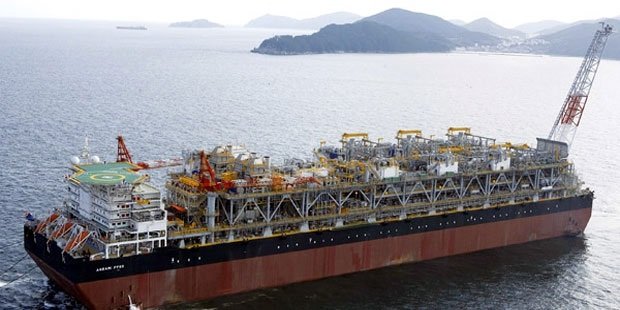
But the Erha deepwater field, operated by ExxonMobil, recorded a major fall. Production from the field dropped from 65,950 bpd in June to 31,980 bpd in July.
That represents a fall of almost 34,000 barrels per day in just one month, making Erha one of the biggest contributors to Nigeria’s overall production decline. The sharp drop at Erha was enough to offset some of the gains made by other oil fields across the country.
Nigeria has been trying to increase crude production after years of problems caused by oil theft, pipeline attacks, ageing facilities and production challenges.
The recent rise in output had offered some hope that the country could maintain a stronger production level and improve its position within OPEC.
However, the July figures show that production can still change quickly when output from a major field falls. The fact that Bonga, Agbami and Anyala remained relatively stable also shows that the national decline was not caused by a widespread drop across all major fields.
Instead, the sharp fall at Erha appears to have had a major effect on the country’s overall numbers. Nigeria’s July production of 1.505 million bpd remains above some of the weaker levels recorded earlier in the year. But the 50,000 bpd drop from June has raised questions about whether the recent production gains can continue.
For a country that depends heavily on crude oil exports for government revenue and foreign exchange, maintaining steady production remains important.
The performance of major deepwater fields such as Erha will therefore continue to matter as Nigeria tries to keep its oil output on an upward path.
For now, July has interrupted the five-month run of production increases, with ExxonMobil’s Erha field standing out as the biggest source of the decline.