President Bola Tinubu’s approval of a new tax remission for deep offshore oil and gas projects has been welcomed by some investors, but the policy also raises an important question: will it create new value for Nigeria or simply give oil companies a bigger share of existing profits?
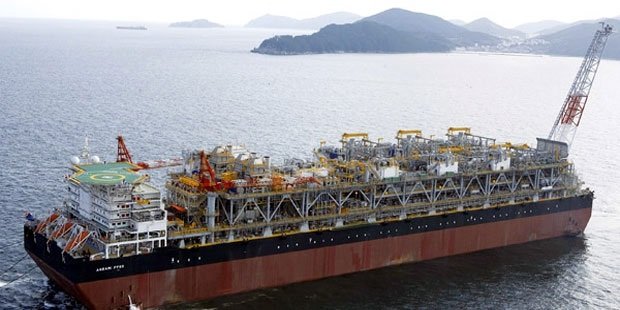
The Deep Offshore Oil and Gas Projects Incentives (Tax Remission) Order, 2026 is aimed at encouraging more investment in Nigeria’s deepwater oil sector. The Federal Government says the new framework could help unlock as much as $50 billion in investment, starting with the estimated $10 billion Bonga Southwest project.
Deep offshore projects are expensive and take years to develop. Companies also face risks from changing oil prices, rising costs, technical problems and uncertainty over how much oil and gas a field will eventually produce.
For this reason, tax incentives can make a project more attractive to investors.
But there is a concern.
If a project cannot move forward because the current tax rules make it too expensive, a tax break could help bring the project to life. Nigeria could then gain more oil production, jobs, exports, business activity and government revenue.
That would be a good result for both sides.
However, if a project would have gone ahead even without the tax break, the situation is different. The company could simply make more money while the Nigerian government collects less revenue.
In that case, the policy may not be creating new value. It may simply be moving some of the money that would have gone to the government to the investor. This is why the Bonga Southwest project is important.
Bonga Southwest has been under discussion for years and is a major deepwater development. Its existing fiscal arrangements need to be considered before judging how much difference the new tax remission will actually make.
The key question is not just how much money the new policy attracts. It is how much extra investment, production and revenue the policy creates that would not have happened without it.
The new policy should also be judged on several other issues. These include whether the tax rules are clear, whether investors can rely on them for the long term and whether Nigeria will still receive a fair share of the money made from its natural resources.
The government has proposed a December 31, 2029 deadline for existing deep offshore leases to reach a Final Investment Decision and qualify for the full standard incentive. Linking the benefit to actual investment and a clear deadline could encourage companies to move ahead with projects instead of keeping them on hold.
Nigeria needs investment in its oil and gas industry. But attracting investors should not mean giving away too much of the country’s oil wealth.
The best outcome would be one where companies earn enough to justify the risks they take, while Nigeria also gains more production, jobs, economic activity and government revenue.
That is the real test of the new tax remission.
If it helps projects that would otherwise remain undeveloped, then the policy could be a useful change. But if it only increases profits on projects that were already going ahead, Nigerians may have good reason to ask whether the country is getting enough in return.