Nigeria’s oil and gas industry needs more than crude oil production. It needs companies that can develop gas resources, improve domestic energy supply and invest in infrastructure that supports the wider economy.
In that regard, Seplat Energy deserves recognition for several important steps it has taken in recent months.
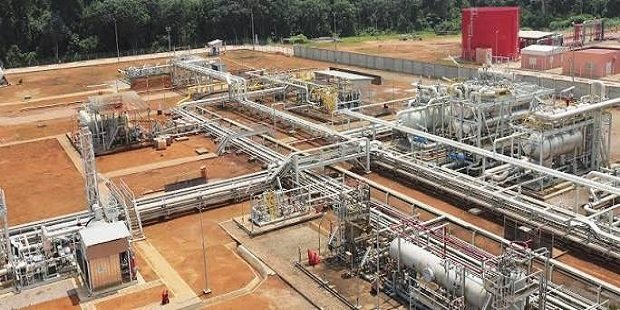
One of the company’s biggest achievements is the start of production from the Assa North–Ohaji South (ANOH) Gas Project. The 300 million standard cubic feet per day project achieved first gas in January 2026 after the completion of an 11-kilometre gas export pipeline and regulatory approval.
The project has already begun supplying gas to the Indorama petrochemical plant. Seplat said wet gas production has been stabilising at about 40–52 million standard cubic feet per day of processed gas, while condensate production has reached about 2,000–2,500 barrels of oil equivalent per day.
This is significant because reliable gas supply remains important to Nigeria’s industrial sector. Gas is used to power industries and produce essential products, including fertiliser and petrochemicals. Increasing domestic gas availability can therefore have an impact beyond the oil and gas industry.
Seplat is also working to increase the amount of gas it can supply. Its 2026 plans include expanding the Oso-BRT project, with the aim of doubling gas sales capacity from 120 million standard cubic feet per day to 240 million. The company is also preparing to begin supplying processed ANOH gas to Nigeria LNG.
Another area worth noting is the company’s effort to reduce routine gas flaring. At Ohaji South, construction of an associated-gas compressor station has reached mechanical completion. Seplat says the facility will recover up to 10 million standard cubic feet of associated gas that would otherwise be flared, allowing it to be used as feedstock for the ANOH plant.
The company has also recorded progress in improving production from existing assets. In its first-quarter 2026 results, Seplat reported that its idle-well restoration programme added 10,000 barrels per day of gross joint-venture production capacity from eight wells. It also reported a 13% year-on-year improvement in group carbon emissions intensity during the quarter.
Its contribution is not limited to production. In 2025, Seplat and its joint-venture partner supplied 12,600 metric tonnes of LPG for domestic use from the Bonny River Terminal. The company said this marked the first domestic supply of LPG from the terminal, which had historically exported the product.
These developments show a company putting greater emphasis on gas, domestic energy supply, existing asset recovery and reducing waste from its operations.
For a country seeking to increase energy security while making better use of its natural resources, these are steps worth acknowledging.
Bitsog Oil & Gas Accolades commends Seplat Energy for its continued investment in Nigeria’s energy sector and its efforts to turn the country’s gas resources into greater value for industry and consumers.